Capturing the aurora is a magical experience that brings vivid colors to life.
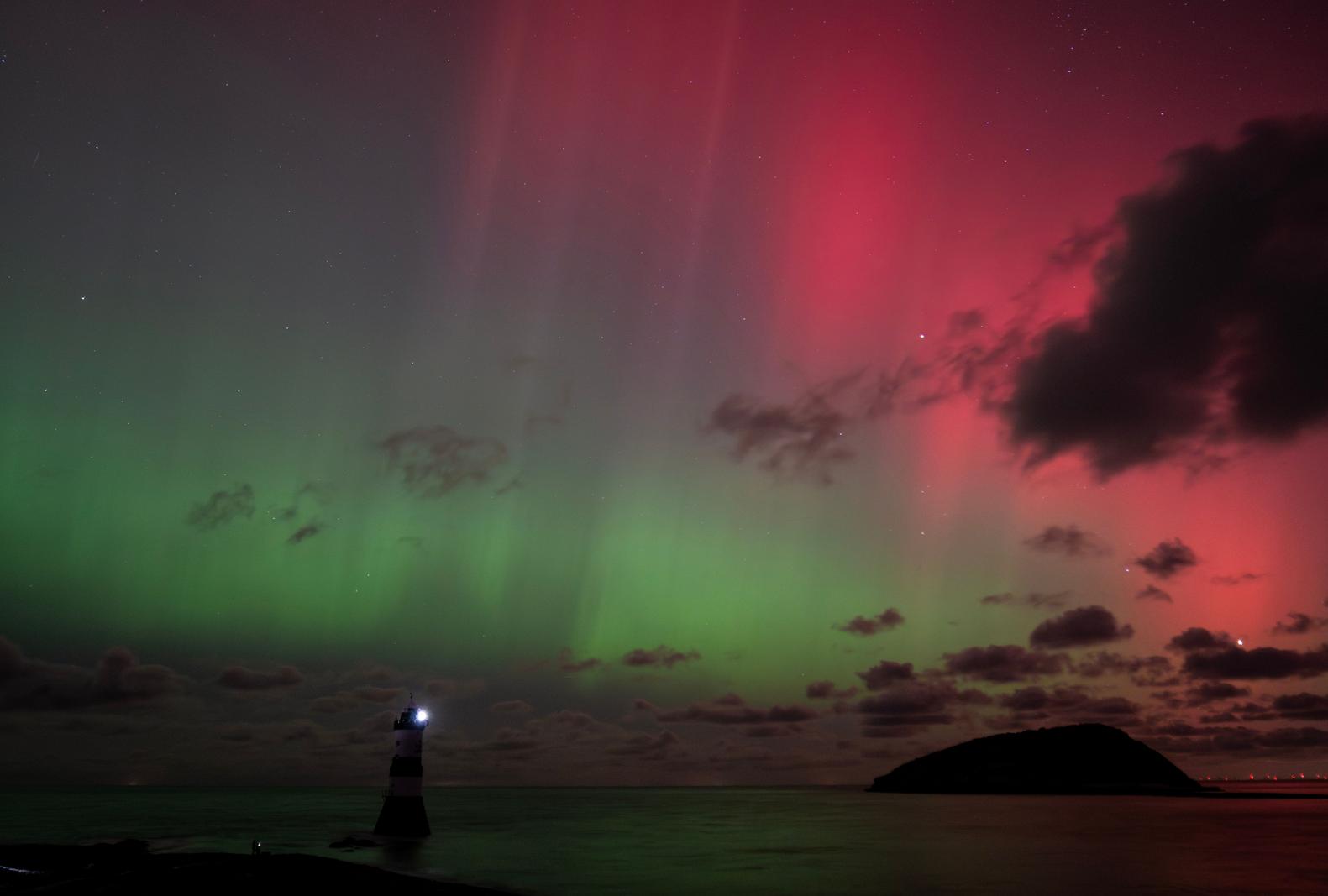
Your photo beautifully captures the vivid hues of the aurora with a grounded natural element—the lighthouse—adding an interesting anchor to the scene. This can be a blessing in landscape photography, making the nicely managed blend of colors stand out even more. Let’s discuss ways to improve both processing and capturing future aurorae.
TECHNICAL EXECUTION ★★★
The aurora display is vibrant but slightly leans towards oversaturation, especially in the reds. There’s noticeable sharpness across the scene, but reducing noise, particularly in the sky, could enhance clarity. Balancing color saturation while maintaining the intensity is key.
COMPOSITION ★★★
The lighthouse is a compelling focal point, providing a strong structural element amidst the fluid aurora. However, the placement is somewhat central, which might make the composition feel static. Consider the rule of thirds to add more dynamic tension and guide the viewer’s eye.
LIGHTING ★★★
The natural light from the aurora and the light of the lighthouse work well together. However, the overall exposure of the sky could be brighter to reveal more star detail, as it currently appears somewhat muted against the aurora. Experiment with different exposure times to balance light sources better.
STORY ★★★
The scene hints at a serene interaction between nature and man-made structures, yet it lacks a sense of “decisive moment” that could intensify its story. Consider capturing elements in a way that emphasizes the opening or closing of the scene.
IMPACT ★★★
The image provides a pleasant view of the aurora but doesn’t completely captivate the viewer’s attention due to the somewhat subdued details. Avoiding overly vivid color processing could endow it with a more natural, awe-inspiring effect.
CONSTRUCTIVE NEXT STEPS
✓ Consider gently lowering the saturation of the pinks/reds in post-processing to reduce a “fake” appearance and better reflect their natural beauty.
✓ Try a longer exposure to capture more star detail, increasing the depth and interaction with the foreground.
✓ Revisit your composition framing; moving the lighthouse to the side could create a more balanced image using the rule of thirds.
✓ To capture better details in future aurorae, experiment with aperture sizes and ISO settings to find a sweet spot for sharp and vibrant images.
AI Version 1.21