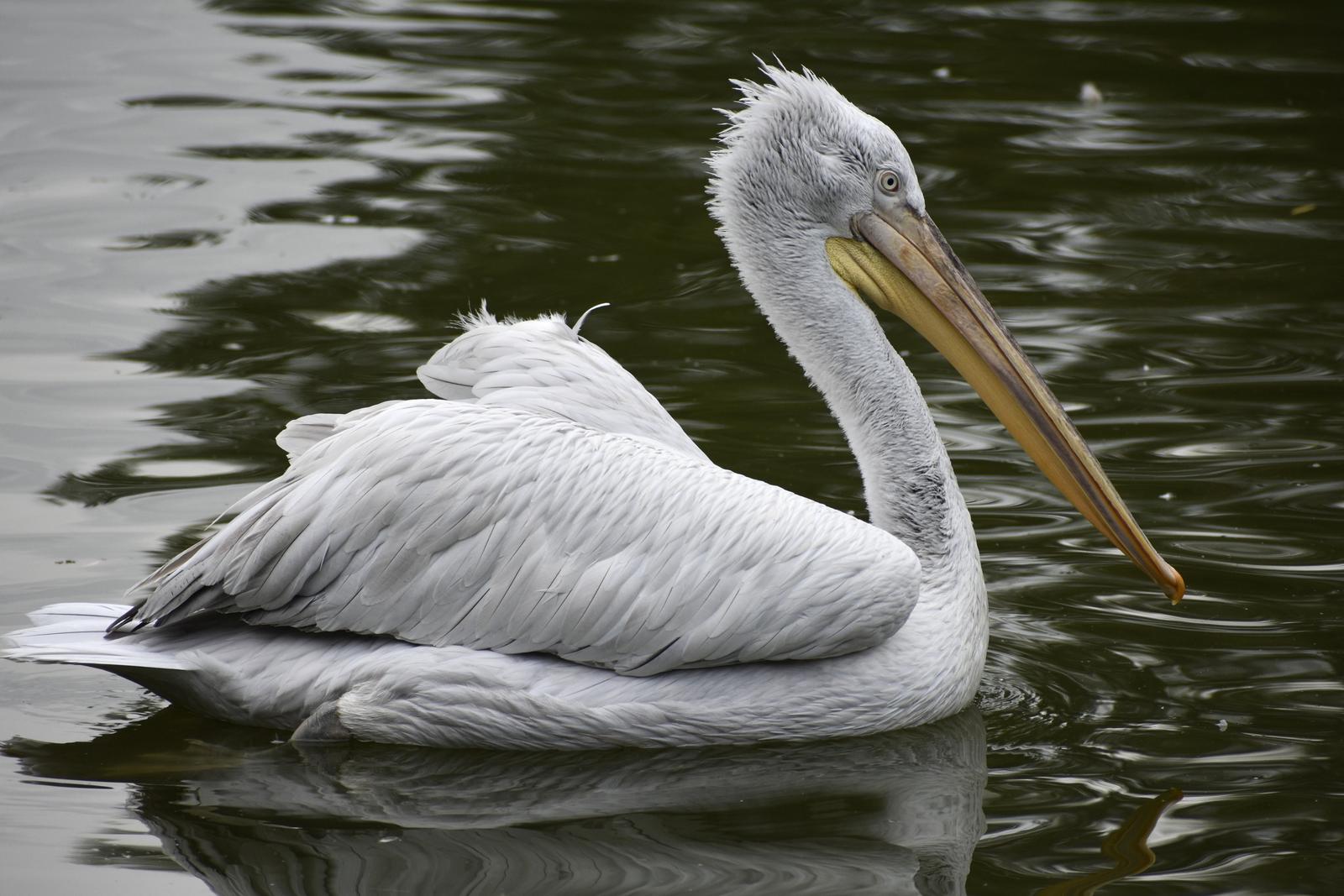
A calm, dignified portrait that celebrates texture and form.
You’ve succeeded in showing off the pelican’s proud profile and the layered feather detail — this sits squarely in wildlife portrait territory. The side‑on pose, smooth water and muted tones keep the frame clean and respectful. The reflection is present but only partial, which slightly weakens that idea; either committing to a fuller reflection or treating it as a pure portrait would strengthen the intent. What made you choose this height on the bank — and how might a lower viewpoint have changed the reflection and background?
TECHNICAL EXECUTION ★★★★
Focus looks solid, with good detail in the neck plumage and along the beak, and the whites are well controlled — impressive given how easily a pale bird can blow out. The file appears clean and free of heavy processing or noise; colours are natural and restrained. The eye could be a touch crisper and brighter to become the true anchor, but it’s close. The water shows gentle texture without distracting artefacts. To reach five stars, I’d like to see absolutely pin‑sharp detail on the eye and bill ridge plus a touch more micro‑contrast in the feathers.
COMPOSITION ★★★★
The pelican is placed well with breathing room in front of the beak, letting the gaze travel into open water. The clean, rippled background keeps attention on the bird. The rear feathers sit quite close to the left edge and the reflection is cropped at the bottom, so the frame feels slightly tight behind and below. Consider whether you wanted the reflection as part of the story; if so, including more of it would balance the weight of that long bill. A small reposition to give an extra centimetre behind the tail would also ease the tension.
LIGHTING ★★★
Soft, overcast light is kind to white plumage and avoids harsh contrast — a smart choice here. However, it renders the scene a little flat, with limited modelling on the body and only a faint catchlight in the eye. The beak’s warm tone helps, but overall the light doesn’t add much shape or drama. Early or late sidelight would carve form into the feathers and lift the eye with a stronger sparkle. A subtle post‑processing dodge on the eye and leading edge of the beak could add presence without faking it.
STORY ★★★
This is primarily a calm portrait rather than a behaviour moment. The raised nape feathers and poised posture do hint at character, which aligns with your aim to show a “proud figure.” Still, there’s little action or interaction to deepen the narrative. Waiting for a small gesture — a bill stretch, a splash, or eye contact towards the camera — would add life. How patient were you willing to be for a tiny behavioural cue?
IMPACT ★★★
It’s a pleasant, well‑made image that shows the bird respectfully and cleanly. The muted palette and tidy water help, but the frame doesn’t push into truly memorable territory because the light and moment are gentle. A fuller reflection or a decisive behaviour would give the viewer a hook to remember. With stronger eye sparkle and a touch more breathing room, this could step up a level. As it stands, it’s a solid portfolio portrait.
CONSTRUCTIVE NEXT STEPS
- Commit to the reflection or the portrait: either drop lower and back up to include the full beak reflection in still water, or crop slightly tighter below to remove the partial reflection’s pull.
- Add micro‑contrast and selective dodge/burn: a gentle curves boost on midtones, dodge the eye and the front edge of the beak, and burn the rear flank to sculpt shape while keeping whites clean.
- Give the tail more space and aim for a catchlight: position a step to your left with a touch more room behind, and shoot when the bird turns slightly toward a brighter patch to pop the eye.
AI Version 2.12