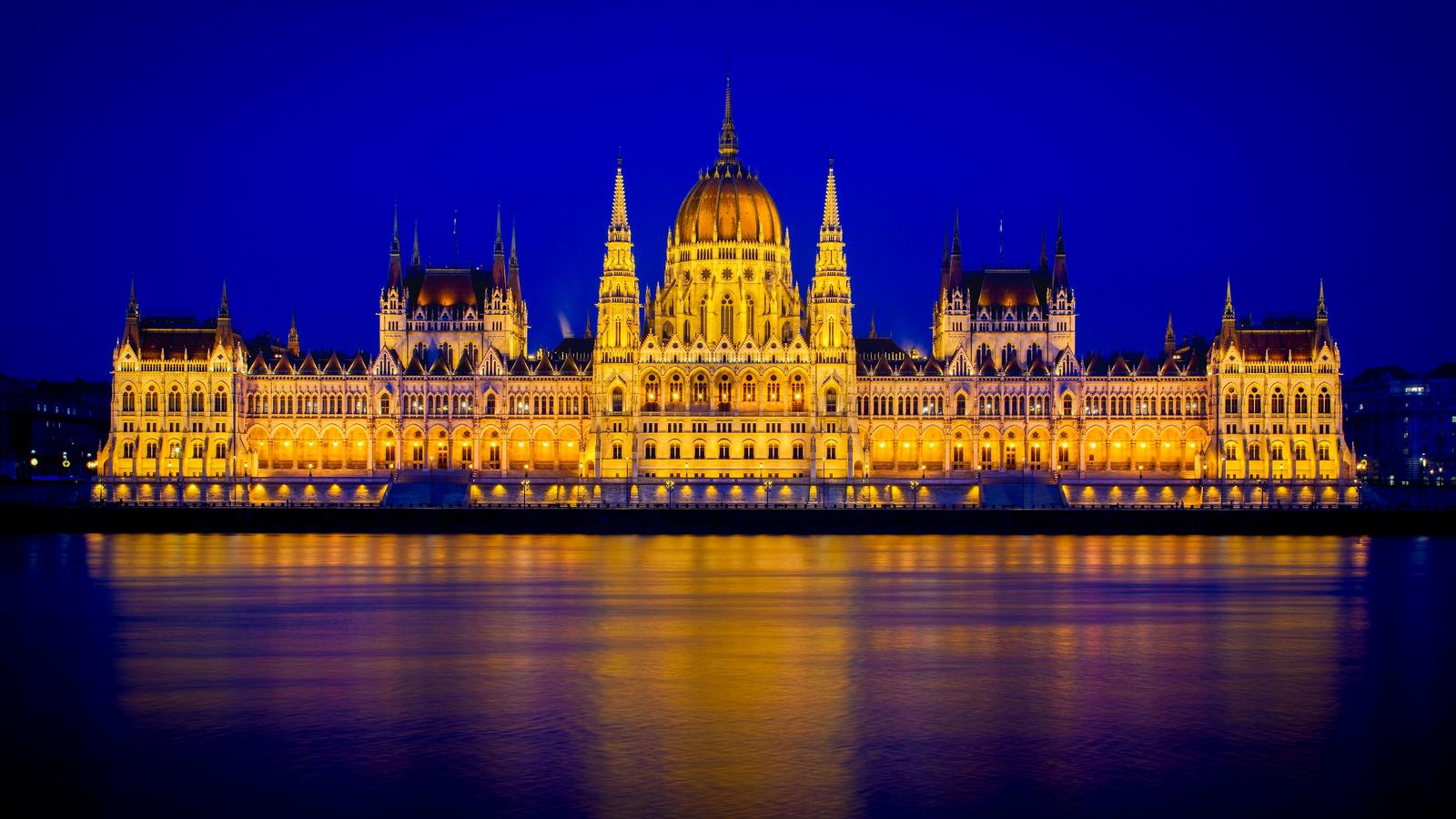
A grand, polished postcard of Budapest’s Parliament that shines—but plays it safe.
Vess, your viewpoint directly across the Danube gives a clean, symmetrical, and very publishable image of an iconic building—so yes, the position works technically. It’s the classic spot that showcases the dome and spires, the warm floodlights, and the golden reflection on the river. The trade‑off is that this straight‑on stance flattens the scene and leans toward a postcard rather than something that feels personal or unique. In architectural/travel terms the frame is strong, but if your goal was to communicate “uniqueness,” a shift in perspective or the inclusion of a living element would help. What story about Budapest did you want this picture to tell beyond “this is the Parliament at blue hour”?
TECHNICAL EXECUTION ★★★★
Edge‑to‑edge sharpness looks good and the verticals are well controlled—no obvious keystoning, which is essential here. Exposure is handled well for night architecture; the façade is luminous without losing too much detail, though some of the brightest lamps look on the edge of clipping. The long exposure has smoothed the river nicely and kept the reflection clean. Colour balance pushes heavily into the blue/gold contrast, which is attractive but borderline saturated and a touch “touristy”. For five stars, I’d like to see slightly gentler colour grading and a bit more highlight detail retained around the lights.
COMPOSITION ★★★
Centre‑weighted symmetry suits this building and you’ve lined it up well, but there’s a lot of empty water and sky relative to the subject. The structure sits tight to the left and right edges, which feels a bit cramped for something this monumental. Cropping some sky and a slice of water would concentrate attention and strengthen the geometry. Alternatively, a slight move left or right to introduce a diagonal and a sense of depth—perhaps including a pier, railing, or stone edge—would separate your image from the standard head‑on view. How might a lower, closer stance at the river’s edge change the weight of the reflection and the feeling of scale?
LIGHTING ★★★★
Blue‑hour timing is good: the cobalt sky supports the warm floodlighting and the building reads clearly. The illumination reveals a lot of texture in the façade without ugly hotspots, and the reflection gives a pleasing glow on the water. The intense colour contrast is doing much of the heavy lifting; a subtler palette might feel more refined and timeless. A touch more detail recovery in the brightest arches would take this further. To hit five stars, you’d need either more nuanced tonal control or a moment of dynamic light (e.g., boat light trails adding energy) to elevate it.
STORY ★★
As it stands, this is a strong record of a famous building, but it doesn’t say much about Budapest beyond its architecture. There’s no human presence, weather drama, or temporal detail to make it feel like a moment in the city’s life. Including people on the embankment, a tram, or a passing boat would add a heartbeat and a sense of place. Consider what you want the viewer to feel—grandeur, calm, bustle—and seek a frame that supports that mood. What local clue or fleeting event could you have waited for to make this more than a static view?
IMPACT ★★★
It’s undeniably pretty and will impress most viewers, but it blends into the many similar images of this spot. The symmetry, glow, and smooth water create instant appeal, yet there’s little surprise or tension to make it stick in the memory. Reducing the “postcard” feel—through a fresher angle, a foreground element, or a purposeful human moment—would push the impact higher. Aim for a frame that couldn’t have been made by anyone on the opposite bank at 8pm in summer.
CONSTRUCTIVE NEXT STEPS
- Change the relationship to the building: shoot from marginally left/right or lower at the river’s edge; frame the dome off‑centre and give the spires breathing room. Try a 24–50mm focal length for depth instead of a perfectly flat frontal.
- Add a living element: wait for a boat and use a 10–20s exposure at ISO 100, f/8–f/11 to create elegant light trails that lead to the Parliament; alternatively include a bit of railing, steps, or a passer‑by for scale.
- Refine colour and highlights in post: in RAW, pull Highlights −20 to −40, lower Blue and Orange saturation by 10–20 points, and balance WB around 4300–4700K to keep the scene rich but believable.
- Crop with intention: trim 10–20% from the top and a touch from the bottom to tighten the frame, prioritising the façade over empty sky and water while keeping enough reflection for context.
AI Version 2.12